Maintenance and repair of dental equipment
Introduction to Dental Units
Dental equipment is essential medical equipment for dentists. In recent years, the adoption of many new technologies has made dental equipment more humane. Gas, water, and electricity are essential to dental equipment, so gas and water pipelines must be laid before installation (preferably underground). Install a first water filter in the waterway to avoid impact. To extend the life of the water filter element in the machine, the air pump should not be too close to the treatment chair to avoid noise during pumping affecting the patient's treatment. If you have more equipment, it is recommended to use a central gas supply, which can not only save costs and reduce failures, but also ensure gas supply quality.
Usually, the manufacturer installs and debugs newly purchased equipment, but it is best to have a doctor present during installation so that future problems can be solved as much as possible by the team.
The comprehensive dental treatment chair comes in conjoined and split types. The conjoined type consists of three parts: the patient's chair, the doctor's chair, and the treatment machine. Among them, the patient seat has two control types: electric and manual.
- The electric power part has three types: screw drive type, electro-hydraulic type, and belt drive type.
- Manual control mainly uses a foot pedal to control seat position via oil pressure.
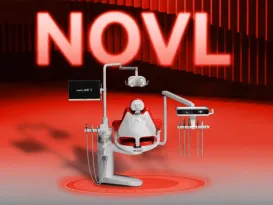
The treatment machine is mainly composed of high-speed dental handpieces, low-speed dental handpieces (pneumatic or electric), a three-purpose spray gun, saliva suction device, automatic water dispenser, instrument tray, shadowless lamp, X-ray film viewer, dental scaler, light curing machine (usually optional), sputum bowl, and control parts for air, water, and electricity. The principle of operation is to control air, water, and electricity to treat oral diseases such as tooth extraction, tooth insertion, tooth repair, and tooth cleaning.
Because dental equipment is necessary for dentists to treat patients, usage rates are high. It also integrates gas, water, and electricity. Daily maintenance directly affects equipment lifespan and integrity, so it is particularly important.
First is maintaining the dental handpiece, a key component of dental equipment. During use, to avoid cross-infection between patients, the dental handpiece must be sterilized using high temperature and high pressure. To prolong the service life of the dental handpiece, pay special attention to daily maintenance.
Before the first use, use the injection needle to drop 1 to 2 drops of high-speed lubricant on the shaft. Under normal circumstances, clean the front of the car with cleaning lubricant once a day, and clean the miniature bearings once every 2 weeks of work. Maintain the normal working pressure of 0.2~0.25 MPa; when there is no water, the dental handpiece cannot idle, or the bearing will be damaged. When the bur is blunt, replace it with a new bur in time; otherwise, it will shorten the bearing life.
Maintenance of dental units
Maintenance of the treatment machine mainly involves the air circuit and the water circuit. Turn off the air, water, and electricity every day after work. After turning off the air, exhaust the air in the lumen with a three-purpose spray gun to avoid pipeline damage. Long-term in a high-pressure state, it is easy to age and crack. Clean the water filter regularly based on local water quality, and regularly drain the water in the air filter pressure relief valve; clean the powerful suction device and saliva suction device on time, use clean water frequently, and clean the pipeline. Pay special attention to keeping water pressure and air pressure within the specified range to avoid bursting filters and pipelines; do not switch operating lights and film viewing lights on and off frequently, as this will shorten the bulb life.
For patient seat maintenance, check the transmission components regularly, and lubricate the mechanical transmission regularly. For the electric hydraulic transmission, regularly check the oil quantity and quality in the oil tank, and add or replace it promptly when the quantity is insufficient or the quality is poor. For the belt drive, pay attention to adjusting the belt tension.